In the world of manufacturing, precision and efficiency are paramount. The Bench Lathe and Horizontal Lathe are two indispensable tools that cater to these needs. A Bench Lathe is a small, versatile machine that can be conveniently installed on a wooden or iron table. It is particularly useful in turning outer circles, inner holes, end faces, and both inch and metric threads. This makes it an ideal choice for home maintenance workshops, laboratories, and research institutes. On the other hand, the Horizontal Lathe is a robust machine designed for more extensive industrial applications. It provides manufacturers with the capability to handle larger and more complex tasks with ease. Understanding the unique features and applications of these machines can significantly enhance production efficiency and product quality.
Table of content:
How to Optimize Production with Horizontal Lathe Suppliers
Key Benefits of Choosing a Leading Horizontal Lathe Manufacturer
Bench Lathe Applications in Various Industries
The Role of Horizontal Lathe in Enhancing Productivity
Choosing the right Horizontal Lathe supplier is crucial for optimizing production processes. Suppliers play a vital role in providing high-quality machines that meet specific industrial needs. A reliable supplier offers a range of lathes with features such as quenched guideways for wear resistance and stable precision. This ensures that the lathe can withstand rigorous use while maintaining accuracy. Additionally, suppliers often provide machines with spindles mounted on precision tapered roller bearings, enhancing the machine's durability and performance. By partnering with a reputable supplier, manufacturers can access cutting-edge technology that reduces noise and increases spindle speed, thereby boosting productivity. Engaging with a knowledgeable supplier can also provide access to expert advice and support, ensuring that the right machine is chosen for the intended application.
Selecting a top-tier Horizontal Lathe manufacturer offers several advantages that can significantly impact a manufacturing operation. Leading manufacturers are known for their commitment to quality and innovation. They provide machines with advanced features, such as a main shaft through hole diameter of 26mm and a maximum speed of 2000rpm, which are crucial for high-performance tasks. These manufacturers also adopt belt speed change mechanisms to minimize noise and improve operational efficiency. By investing in equipment from a reputable manufacturer, businesses can ensure they receive a product that is both reliable and efficient. Furthermore, top manufacturers often offer comprehensive after-sales services, including maintenance and technical support, which are essential for long-term operational success.
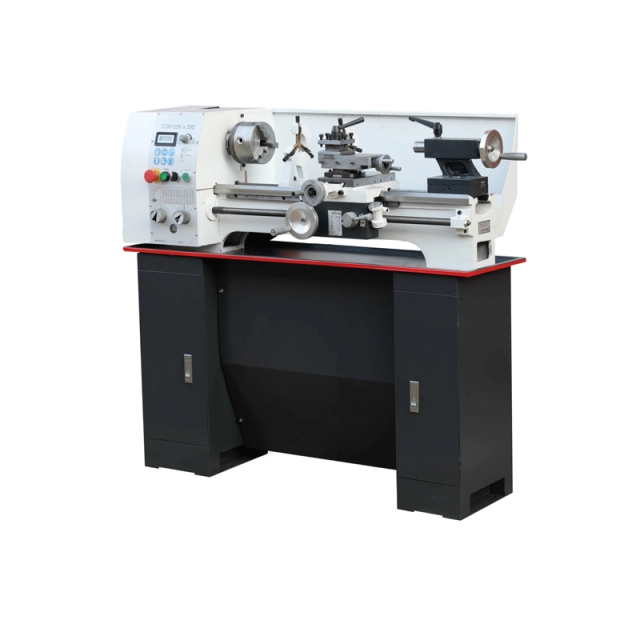
The Bench Lathe is a versatile tool widely used across different industries due to its compact size and ease of operation. It is particularly popular in home maintenance workshops where it assists in various repair and fabrication tasks. In the instrument industry, the Bench Lathe is used for precision machining of components, ensuring they meet exact specifications. Laboratories and research institutes also benefit from this machine, as it allows for the creation of custom parts and prototypes. Its ability to perform multiple functions, such as turning, threading, and facing, makes it an invaluable asset in settings where space and resources are limited. The Bench Lathe's adaptability and efficiency make it an excellent choice for small-scale operations requiring precision and versatility.
The Horizontal Lathe plays a pivotal role in enhancing productivity within manufacturing environments. Its robust design and advanced features allow it to handle large-scale and complex machining tasks with ease. By providing precise and efficient operations, the Horizontal Lathe enables manufacturers to produce high-quality components quickly and accurately. The machine's ability to maintain stable precision, even under demanding conditions, ensures consistent product quality. Additionally, the Horizontal Lathe's versatility allows it to be used in various applications, from turning and threading to drilling and boring. This flexibility reduces the need for multiple machines, streamlining the production process and saving valuable time and resources. As a result, manufacturers can achieve higher throughput and meet increasing market demands more effectively.
In conclusion, both the Bench Lathe and Horizontal Lathe are essential tools that cater to different manufacturing needs. While the Bench Lathe is ideal for small-scale operations requiring precision and versatility, the Horizontal Lathe is suited for larger industrial tasks demanding robustness and efficiency. By understanding the unique features and applications of these machines, manufacturers can enhance their production capabilities and maintain a competitive edge in the industry. Selecting the right supplier and manufacturer is crucial in obtaining high-quality machines that deliver consistent performance and reliability. As technology continues to advance, these lathes will remain integral to the success of manufacturing operations worldwide.





