In the realm of industrial machinery, the choice between a Bench Lathe and a Horizontal Lathe can significantly impact the efficiency and precision of manufacturing processes. Both machines serve essential roles, yet they cater to different needs within the industry. A Bench Lathe is known for its versatility and ease of use, making it a popular choice for small workshops and laboratories. On the other hand, a Horizontal Lathe is often preferred for larger-scale operations due to its robust construction and ability to handle heavier workloads. Understanding the distinctions between these two types of lathes can help businesses make informed decisions that align with their specific operational requirements.
Table of content:
What Sets Horizontal Lathe Manufacturers Apart in the Market?
Bench Lathe: A Versatile Tool for Precision Engineering
How to Find the Best Horizontal Lathe Supplier for Your Needs
The Advantages of Using Bench Lathe in Manufacturing
Horizontal Lathe manufacturers distinguish themselves through innovation and quality. These manufacturers focus on producing machines that offer superior durability and precision, crucial for industries that demand high-performance equipment. The guideway in these lathes is quenched by supersonic frequency, enhancing wear resistance and maintaining stable precision over time. This feature is particularly important for manufacturers aiming to deliver reliable machinery that can withstand rigorous use. Additionally, the spindle of a Horizontal Lathe is mounted on two precision tapered roller bearings, ensuring smooth operation and reducing mechanical wear. By prioritizing these technical enhancements, manufacturers position themselves as leaders in the market, offering machines that meet the stringent demands of modern industrial applications.
The Bench Lathe is a compact yet powerful tool widely used in precision engineering. Its light structure and easy operation make it ideal for small-scale workshops and home maintenance environments. The CQ6125/CQ6128 models exemplify the versatility of Bench Lathes. These machines can be installed on wooden or iron tables, allowing users to perform tasks such as turning outer circles, inner holes, end faces, and threading with ease. The spindle speed can reach up to 2000rpm, facilitated by belt speed change to minimize noise. This adaptability makes Bench Lathes a preferred choice for instrument industries, laboratories, and research institutes, where precision and flexibility are paramount.
Identifying the right Horizontal Lathe supplier involves evaluating several key factors. First, consider the supplier's reputation and the quality of the lathes they offer. A reputable supplier will provide machines with advanced features, such as a main shaft diameter of 26mm and optimized spindle speed control. Additionally, it's important to assess the supplier's customer service and support capabilities. A reliable supplier will offer comprehensive after-sales support, ensuring that any issues are promptly addressed. By choosing a supplier that prioritizes quality and customer satisfaction, businesses can secure machinery that meets their operational needs while benefiting from ongoing support and service.
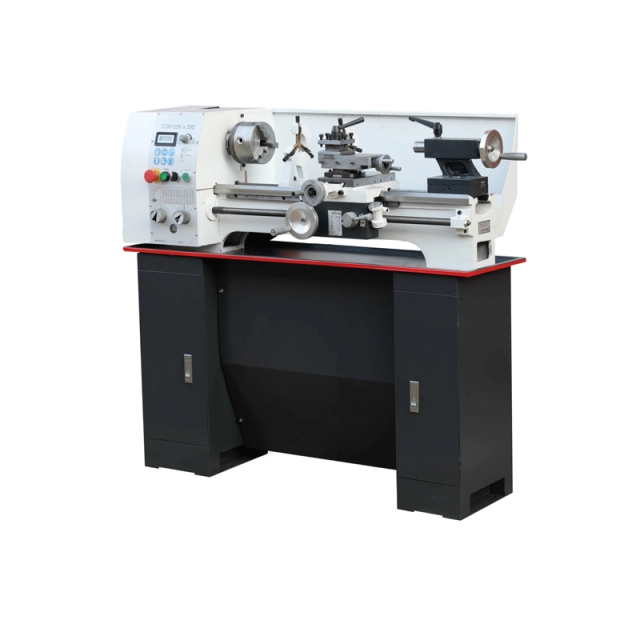
Bench Lathes offer numerous advantages in manufacturing settings, particularly for tasks that require precision and adaptability. Their compact design allows them to be used in various environments, from home workshops to professional laboratories. The ability to perform a range of operations, including turning and threading, makes Bench Lathes indispensable tools for precision engineering. Moreover, their ease of installation and operation reduces setup times and enhances productivity. The CQ6125/CQ6128 models, for instance, are designed to minimize noise through belt speed change, further enhancing their suitability for detailed work. By incorporating Bench Lathes into their processes, manufacturers can achieve high levels of precision and efficiency, ultimately improving the quality of their products.
In summary, both Bench Lathes and Horizontal Lathes offer unique benefits that cater to different industrial needs. While Bench Lathes provide versatility and precision for smaller-scale operations, Horizontal Lathes excel in durability and performance for larger manufacturing tasks. When selecting machinery, businesses should consider their specific requirements and choose equipment that aligns with their operational goals. Whether opting for a Bench Lathe or seeking out a Horizontal Lathe manufacturer, the key is to prioritize quality and reliability to ensure long-term success in industrial applications.





